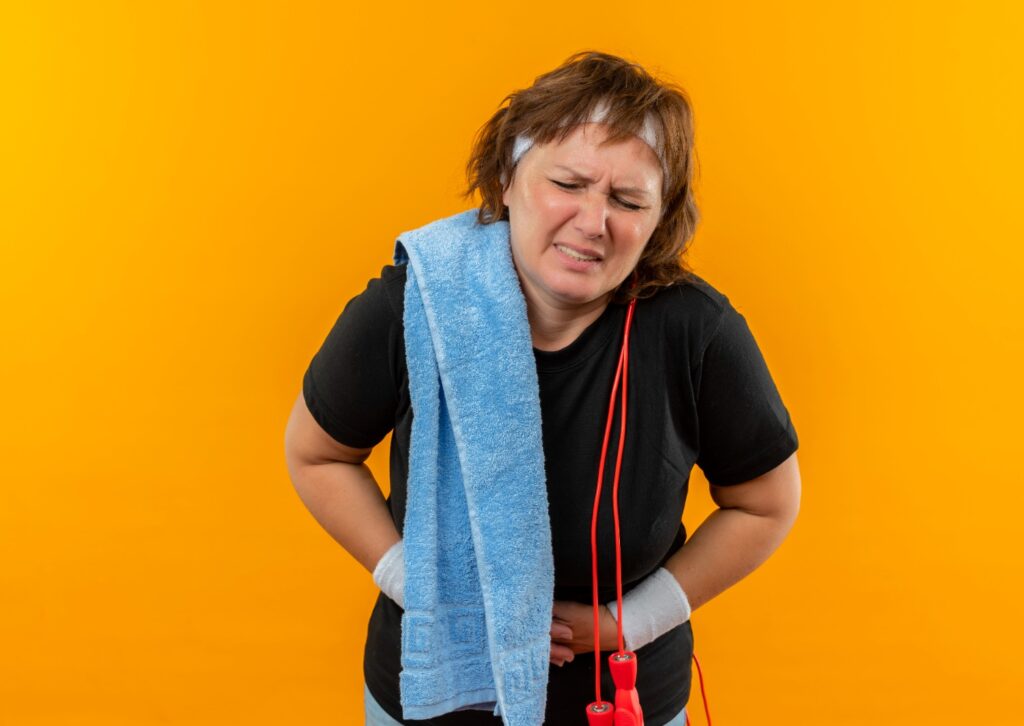
Hormonal imbalances can contribute to urinary incontinence and hinder weight loss. Estrogen, progesterone, and cortisol play key roles in bladder control and metabolism. Addressing these imbalances through targeted lifestyle changes can improve symptoms and support sustainable weight loss. Explore strategies to rebalance hormones, manage incontinence, and optimize your health today.
Understanding Urinary Incontinence And Its Causes
Urinary incontinence, the involuntary leakage of urine, can impact both physical and emotional well-being. It may lead to distress, social withdrawal, and reduced self-esteem. Causes range from lifestyle factors to medical conditions, making proper understanding essential for effective management.
There are different types of urinary incontinence:
- Stress incontinence occurs when pressure on the bladder, such as from coughing or exercise, leads to leakage.
- Urge incontinence involves a sudden, strong need to urinate, often resulting in leakage.
- Overflow incontinence happens when the bladder doesn’t empty, causing dribbling.
- Functional incontinence stems from physical or cognitive impairments