Sport teaching, often referred to as physical education or sports coaching, is far more than just instructing students on how to kick a ball, run a race, or score a point. At its core, sport teaching is a dynamic educational discipline that shapes the physical, mental, and social development of individuals. A great sports educator does not just train athletes; they cultivate well-rounded individuals who understand the value of discipline, resilience, and teamwork.
In an era dominated by sedentary lifestyles and digital screens, the role of a professional sports teacher has never been more critical. This article explores the essential methodologies of effective sport teaching, the profound impact it has on student development, and how modern educators are adapting to meet the needs of today’s learners.
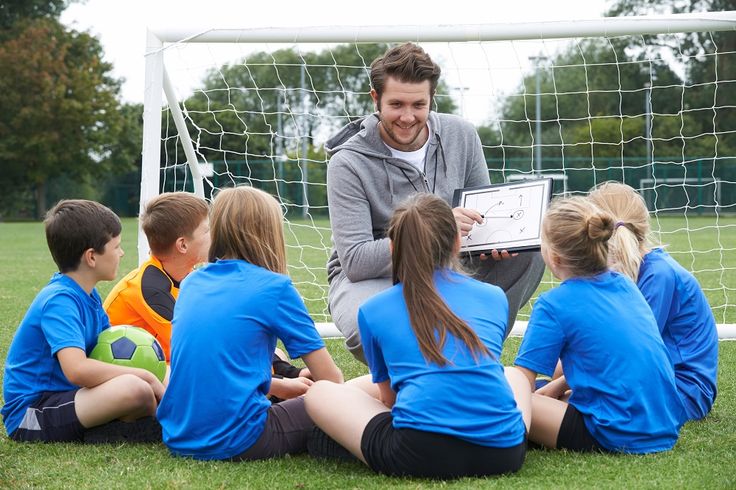
The Core Philosophy of Modern Sport Teaching
Historically, physical education often focused strictly on physical performance and competition. The fastest or strongest students received the most attention, while others were left on the sidelines. Modern sport teaching, however, has shifted toward an inclusive, student-centered philosophy known as physical literacy.
Physical literacy focuses on building the confidence, competence, and motivation of every student to move and stay active for life. An effective sports teacher designs lessons that cater to varying skill levels. By focusing on fundamental movement skills—such as balance, coordination, agility, and throwing—teachers ensure that every student feels capable and encouraged. The ultimate goal is not to produce Olympic champions, but to instill a lifelong love for movement and healthy living.
Pedagogical Strategies for Effective Learning
Teaching a sport requires a unique blend of communication, demonstration, and psychological understanding. Professional sports educators employ specific strategies to maximize student engagement and skill retention.
Scaffolding and Progression
Complex movements must be broken down into smaller, digestible parts. For instance, before playing a full game of basketball, a teacher will scaffold the lesson by teaching the basic stance, then dribbling in place, followed by moving while dribbling, and finally passing. This step-by-step approach prevents frustration and builds technical mastery.
Game-Sense Approach
Instead of practicing isolated drills for hours, many educators use the “Game Sense” or “Teaching Games for Understanding” (TGfU) model. This strategy places students in modified, small-sided game situations early on. By playing a mini-game with adapted rules, students naturally understand why a certain skill is necessary, which improves their tactical awareness and decision-making skills.
Positive and Constructive Feedback
Feedback is the breakfast of champions, but how it is delivered matters immensely. Effective sport teaching relies on specific, constructive feedback rather than vague praise. Instead of saying “Good job,” a skilled teacher might say, “Excellent follow-through with your wrist on that shot.” This tells the student exactly what they did right and how to replicate it.
Developing Life Skills and Character
The playing field is a microcosm of life. One of the greatest benefits of sport teaching is the opportunity to develop crucial soft skills that classroom settings cannot easily replicate. Through structured sports, students learn valuable life lessons:
- Resilience: Learning how to lose with dignity and bounce back from failure is a core component of sports. Teachers help students view mistakes as opportunities for growth rather than personal failures.
- Teamwork and Cooperation: Sports force individuals to work toward a common goal. Students learn to communicate, resolve conflicts, and support their peers, regardless of personal differences.
- Discipline and Respect: Following game rules, respecting the referee’s decisions, and showing sportsmanship to opponents build strong moral character and ethical behavior.
Embracing Technology and Diversity in the Gym
The modern sports teacher is no longer equipped with just a whistle and a clipboard. Technology has integrated into the gymnasium to enhance the learning experience. Educators use video analysis apps to give students instant visual feedback on their form, wearable fitness trackers to monitor heart rates, and digital applications to track personal progress over time.
Furthermore, inclusivity is a major focus in contemporary sport teaching. Adaptive physical education ensures that students with physical, intellectual, or emotional disabilities are fully integrated into sports activities. By modifying equipment, rules, or playing spaces, sports teachers create an environment where every child feels valued, safe, and included.
Conclusion
Sport teaching is a powerful educational tool that extends far beyond the boundaries of a gymnasium or a sports field. It is a profession that directly influences the physical health, psychological resilience, and social competence of the next generation. By combining inclusive philosophies, modern teaching strategies, and a passion for character development, sports educators do much more than teach games—they provide students with the physical and mental blueprint needed to win at life.